About Safe T Equipment

Safety Equipment & Workplace Safety

Safety equipment is used to measure potentially hazardous atmospheres and similarly to protect lives by a possible inadvertent start up of plant or equipment. This requires the use of atmospheric monitoring equipment or devices and lock out equipment.

Safety monitoring equipment is used to measure the levels of various gases such as oxygen (O2), carbon monoxide (CO), hydrogen sulphide (H2S), Carbon Dioxide (CO2), Sulphur Dioxide (SO2), Nitrogen Dioxide (NO2)   hydrogen Cyanide (HCN), refrigerants and others.

Certain levels of these gases can present an immediate risk to life so it is paramount that the level of these gases in the breathing air of a worker are known.

Concentrations of flammable gases or vapour greater than the Lower Explosive Limit (LEL) of 5% present an explosion risk so it is just as important to know what these levels are to avert a possible explosion.


When Your Life Depends On It, Choose The Right Safety Equipment

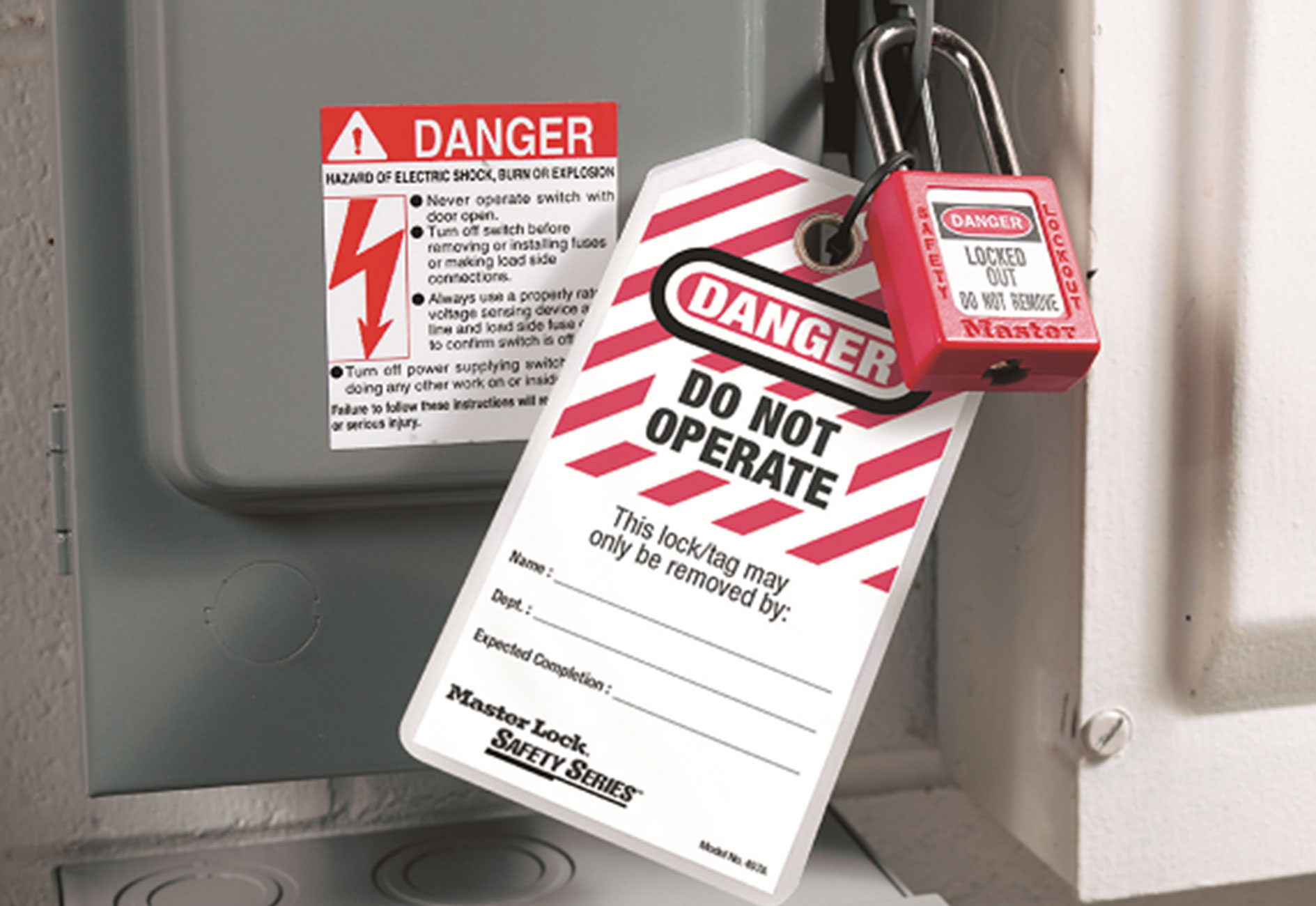
Lockout/Tagout is an important safety procedure that involves isolating the energy source during maintenance or repairs. The procedure protects workers from risks caused by power sources. Used properly in conjunction with a well-planned lockout process, the safety padlock/device helps ensure that workers will not inadvertently energise a piece of plant or equipment while someone else is working on it.

Selecting and using the most suitable safety equipment requires a risk assessment of your workplace to identify the hazards present and the working environment it is to be used within.

Should you not have in-house safety professionals to undertake a risk assessment of your workplace, our principal technical consultant can assist you. He possesses vast industry experience in construction, oil and gas, mining and the manufacturing sectors.

Contact Jim Pashalidis on 0410 603 609, or jim@safetequipment.com.au for a quotation or further information.

We also have a workwear and PPE business that compliments this business. Please follow this link: www.safetworkwear.com.au

For all your workplace safety requirement please visit www.australianohs.com.au

Testing Equipment

Heating, Ventilation and Air Conditioning (HVAC)

Heating, Ventilating, and Air Conditioning (HVAC) systems range from household air conditioning and heating units to heating and cooling systems on high-rise buildings hundreds of floors high and large shopping complexes.

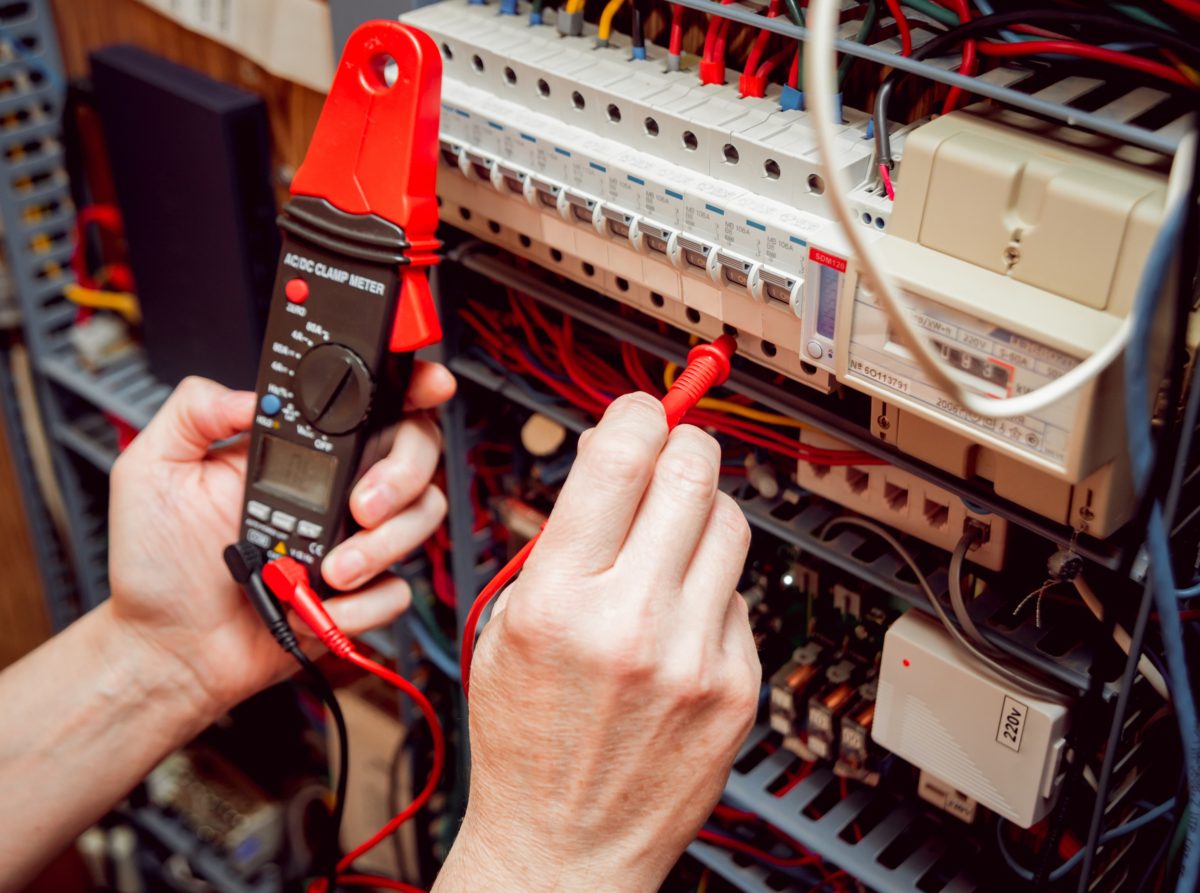
Working with Electricity

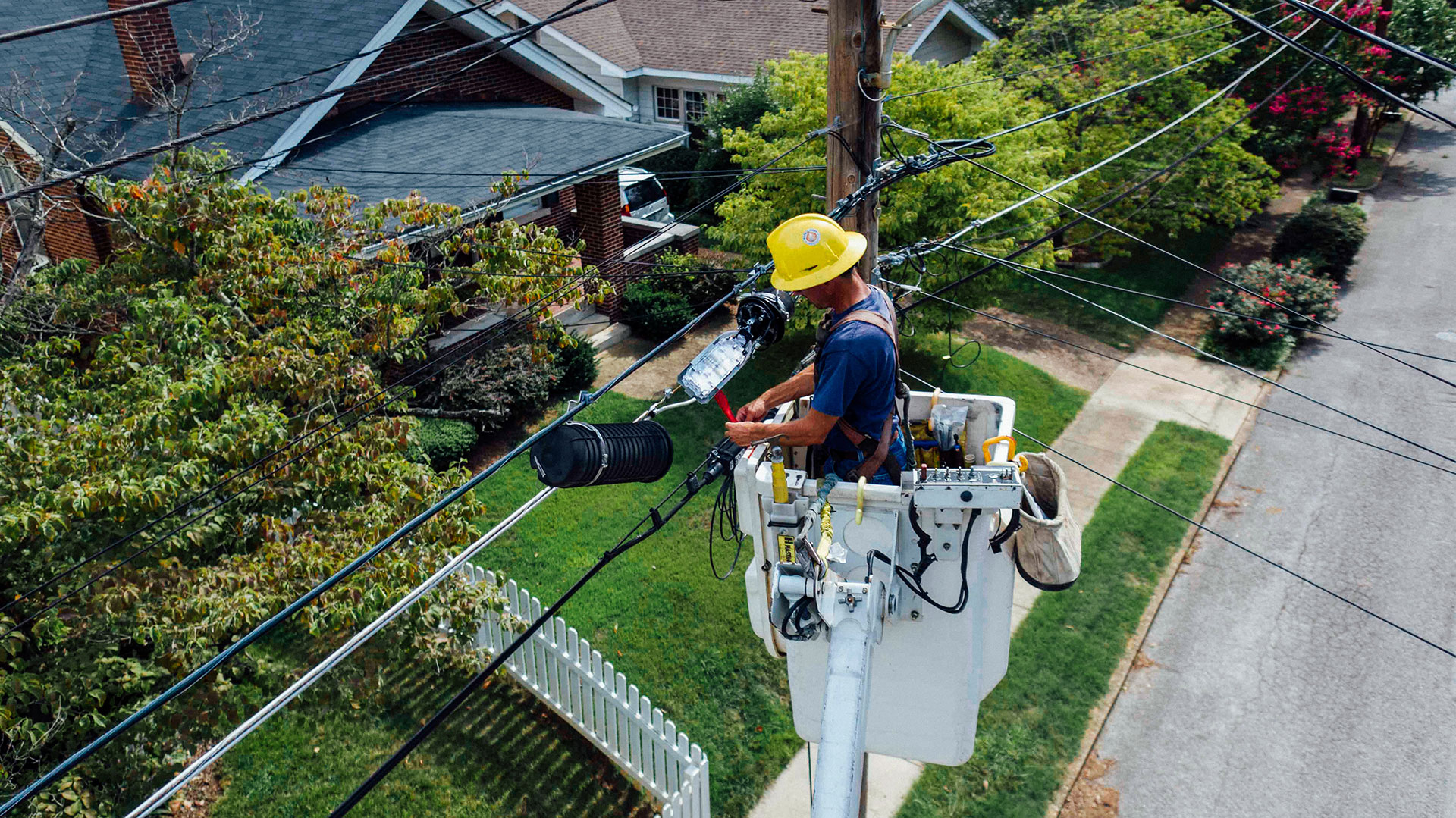
Even low voltage electricity can kill or seriously injure workers and cause damage to property from the effects of fires and explosions. Electric shocks do not always cause lasting injuries but can result in death (electrocution).

Confined Spaces

Working in a Confined Space can present a number of dangers to workers, the most common being atmospheric hazards that pose severe risks to health. These hazards include a lack of oxygen level, enriched oxygen level, and the presence of toxic and combustible gases.

Contact Jim Pashalidis for a quotation or further information

Workplace Safety

Signage

In the workplace signs are used to warn of hazards and danger. Hazards signs are used to warn of potentially life threatening hazards.

Symbols and symbolic signs are regarded as a means of visual communication that is superior to words, and it breaks down language barriers.

Lock Out / Tag Out

Performing maintenance or repair work on energised plant has significant risks. Workers are exposed to health and safety hazards such as electric shock, burns, and cuts and crush injuries if stored energy in an item of plant has not been properly isolated or otherwise controlled

Working at Height

When there is a risk of a fall of more than 2 metres there are regulatory requirements under the OHS regulations that must be adhered to for all work undertaken above this height. The OHS Regulations requires employers to apply what is known as the hierarchy of controls, which requires them to adopt the highest order control where reasonably practicable

Chemical Management

Dangerous goods and hazardous substances are capable of causing harm to people, property or the environment due to their hazardous properties.  For this reason it is important that these chemicals are properly handled and stored in suitable safety cabinets according to the chemical stored.

Fire Protection

Fire equipment (e.g. fire extinguisher, hose, and fire blanket) should be placed in an easily accessible area and available when required. There are a number of types of portable fire extinguishers available in Australia

First Aid

First Aid requirements depend on whether a workplace is a low-risk or high- risk workplace.

Low-risk workplaces are those where workers are not exposed to hazards that could result in serious injury or illness that would require immediate medical treatment.

We carry all these well-known Australian and International Brands